An exhibition, a conversation about seeing, and the beginning of Collected Echoes.
Some places remain with us long after we've left them. They return through fragments of light, familiar contours, or a landscape that awakens something we cannot quite name. Photography has a way of holding these traces, preserving not only what was seen, but something of the experience itself.
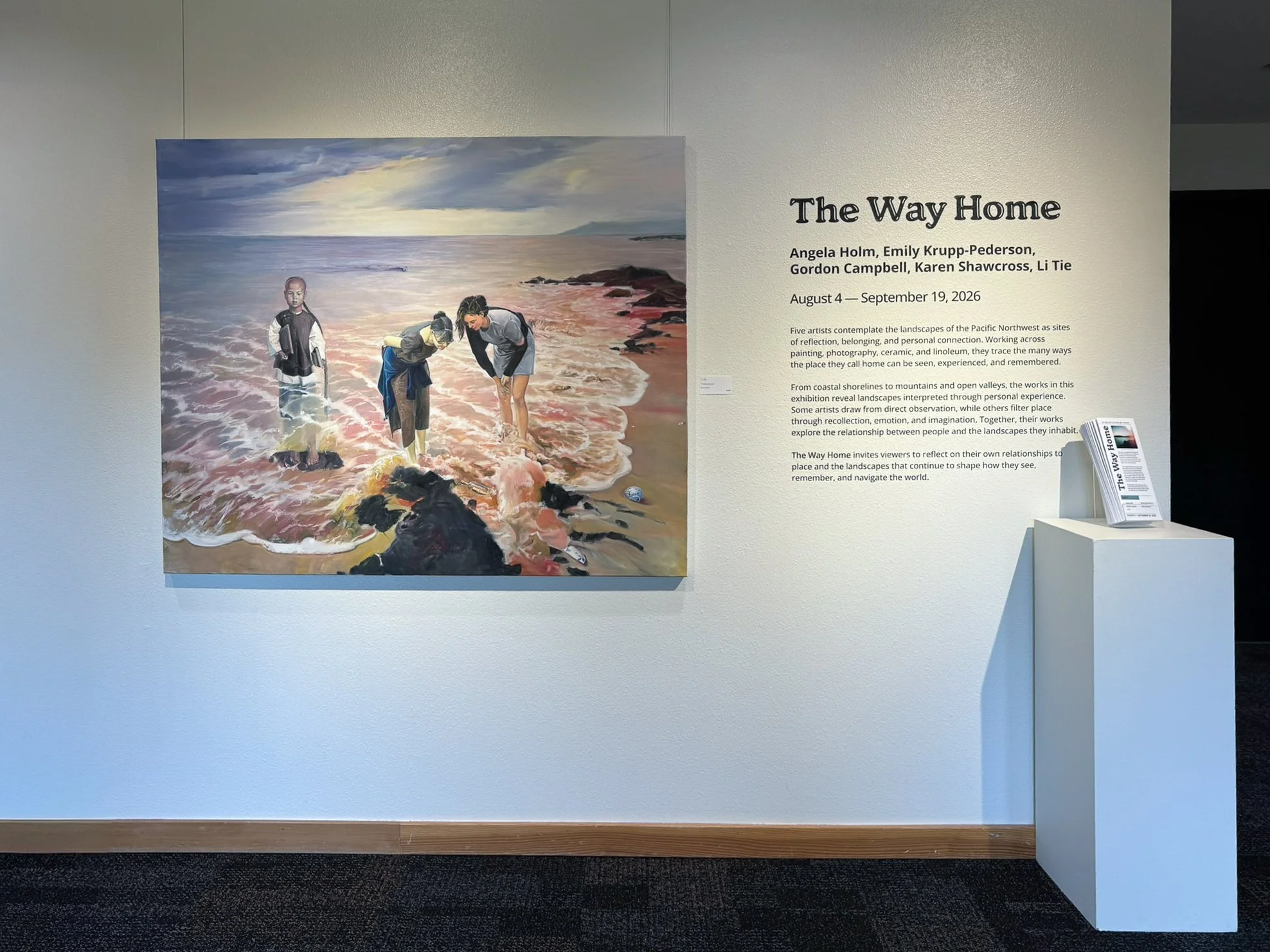
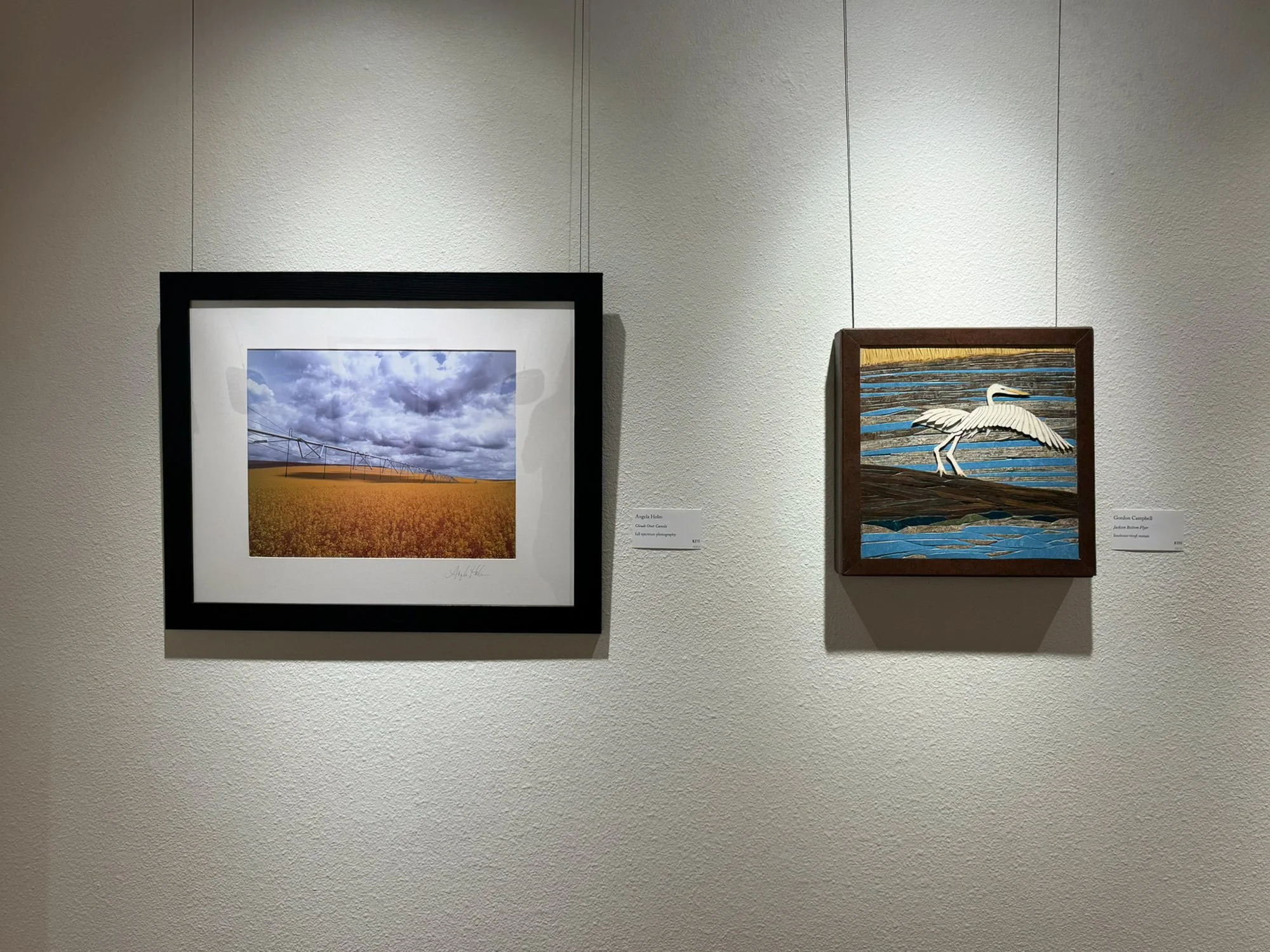
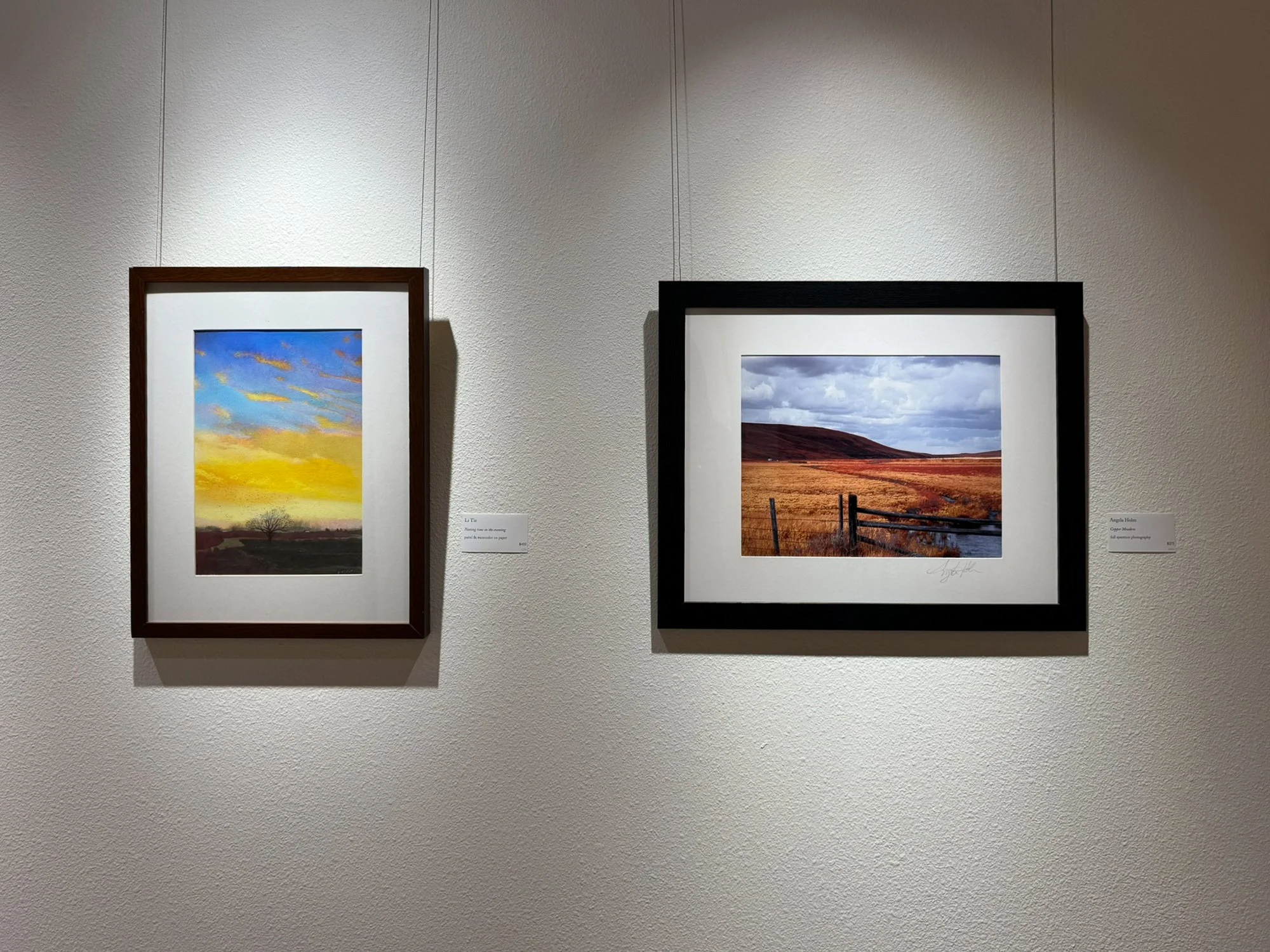
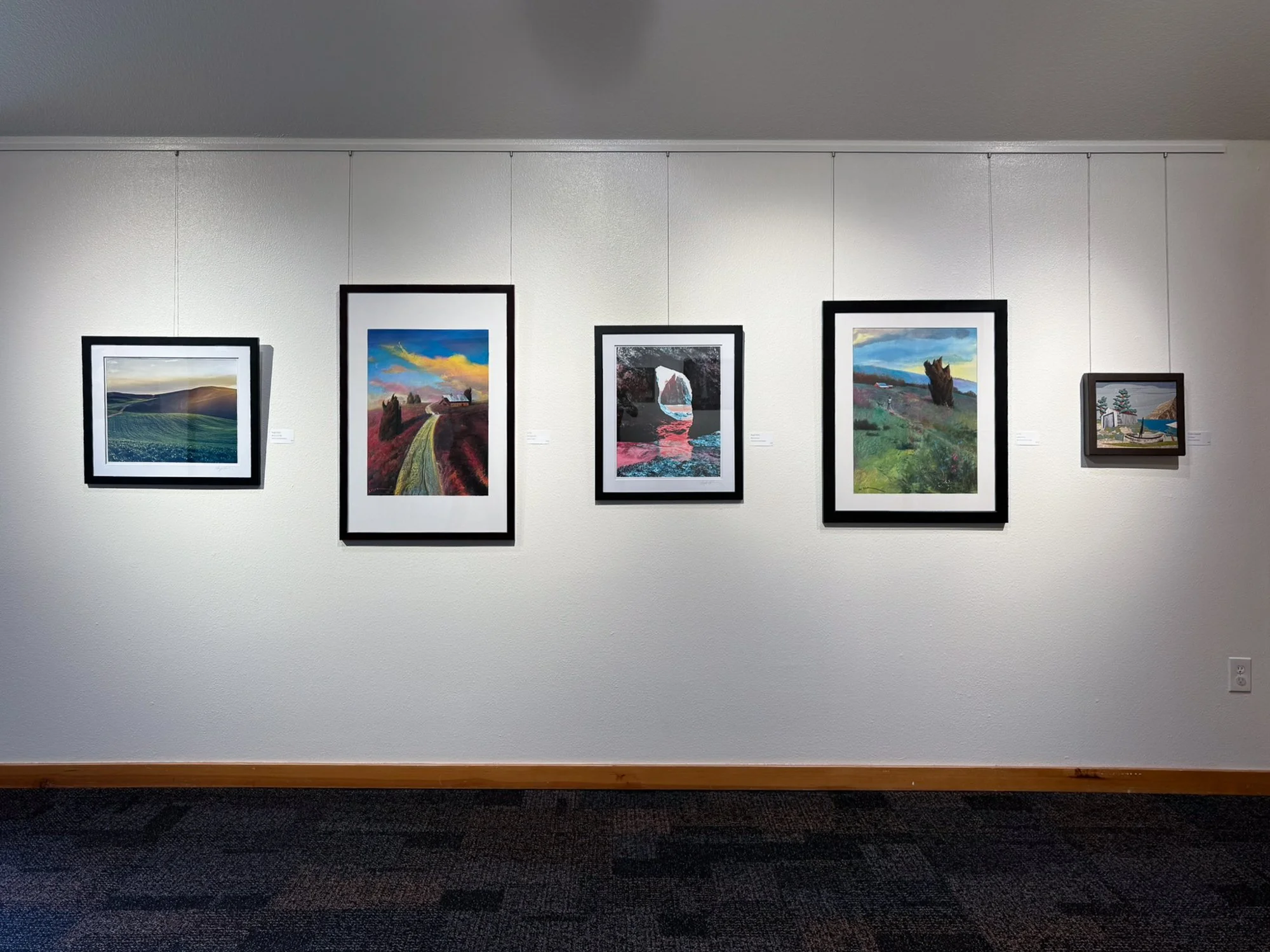
This relationship between landscape, memory, and belonging was at the heart of The Way Home, a group exhibition at the Walters Cultural Arts Center in Hillsboro, Oregon, from August 4 through September 19, 2026.
Alongside fellow artists Emily Krupp-Pederson, Gordon Campbell, Karen Shawcross, and Li Tie, I was invited to explore the landscapes of the Pacific Northwest through my own artistic practice.
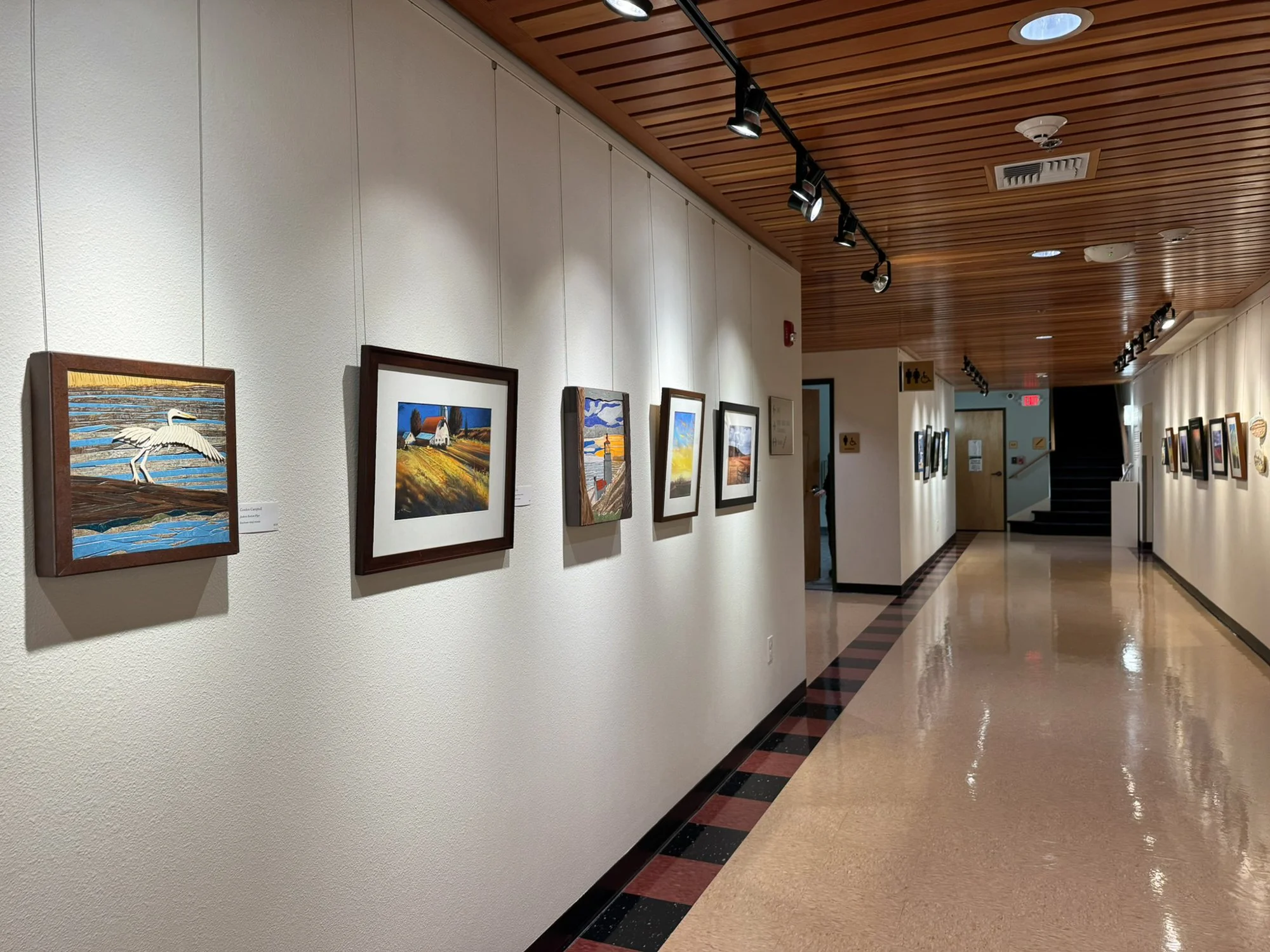
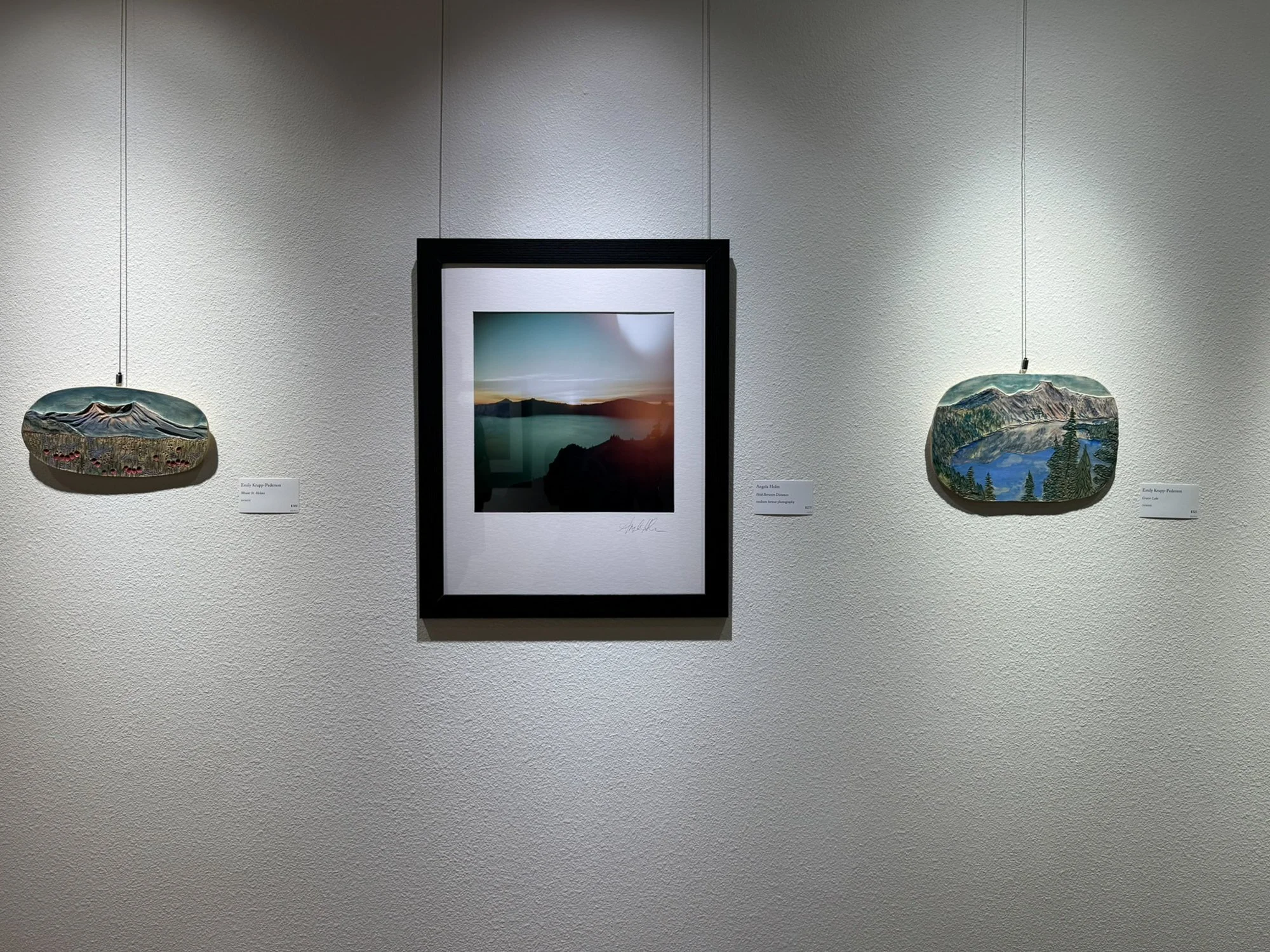
The exhibition brought together painting, photography, ceramics, and linoleum-based work, revealing how differently we interpret the places that shape our lives. Across these mediums, a shared conversation emerged about belonging, personal connection, and the landscapes we carry within us.
What Happens When You Change the Way You See?
On September 1, I returned to the Walters for an artist talk titled Angela, Why This Camera?
The evening centered on a question that continues to guide my photographic practice: What happens when you change the way you see?
My photographs begin with an experience of a place. Sometimes what I see already holds everything I want to communicate. The light, the atmosphere, the relationship of the elements within the landscape are fully realized. In those moments, I reach for my Pentax 6x7, allowing the richness of the scene to speak through the photograph.
Other times, the experience calls for a different interpretation. With my Holga, softness, uncertainty, and the gentle dissolution of detail can bring forward something more dreamlike, something closer to the way a place lives in memory.
The pinhole camera opens another possibility. Its long exposures gather light across time, allowing duration, chance, and serendipity to become part of the image. What emerges cannot always be anticipated.
And sometimes I encounter a landscape with the impression that there is more to it than my eyes can perceive. Full-spectrum digital photography allows me to explore light beyond ordinary human vision, bringing forward colors and relationships that exist outside our familiar experience of seeing.
These are not simply different ways of making photographs. Each camera offers a different way of interpreting what I have encountered.
During the artist talk, I invited the audience to examine photographs before revealing which cameras created them. The conversation began with the images, with what people noticed and how they experienced each photograph, rather than with the equipment.
That exchange touches on something important to me. What I experience while making a photograph is carried into the image through my own choices, observations, and interpretation. But when someone else encounters that photograph, another experience begins.
They bring their own memories, emotions, and ways of seeing. What they discover may be entirely different from what first drew me to that place.
The photograph becomes a meeting point between two experiences, neither of which needs to be the same.
Collected Echoes | Bringing the Work Home
The Way Home also marked the introduction of Collected Echoes, a series of handcrafted, limited-edition Collector Boxes developed to bring selected photographs together in a more intimate form.
The first two releases, The First Echo from Where Stillness Trembles and The First Bloom from Enchanted Ground, were completed in time for the exhibition opening.
Presented on a dedicated table at the Walters and again during my artist talk, the boxes offered another way to encounter the photographs beyond their presentation on the gallery walls.
Each handcrafted Collector Box brings together a curated selection of individually matted fine-art photographs, accompanied by thoughtfully chosen papers, textiles, and collection details. Each photograph is ready for framing, while the box provides a beautiful place to preserve the complete collection when the photographs are not on display.
There was a particularly fitting connection between the exhibition and the introduction of these pieces.
The Way Home explored the landscapes that remain part of us, while Collected Echoes offered a physical place for photographs to remain together.
A collection can change as new images enter and others move into different relationships. Each Echo preserves one particular gathering, a moment in the life of a collection that will not be assembled again in exactly the same way. Read the Orgin Story of Collected Echoes
The first editions are individually signed and numbered, with archival matting and conservation-minded materials chosen to support the long-term preservation of the photographs.
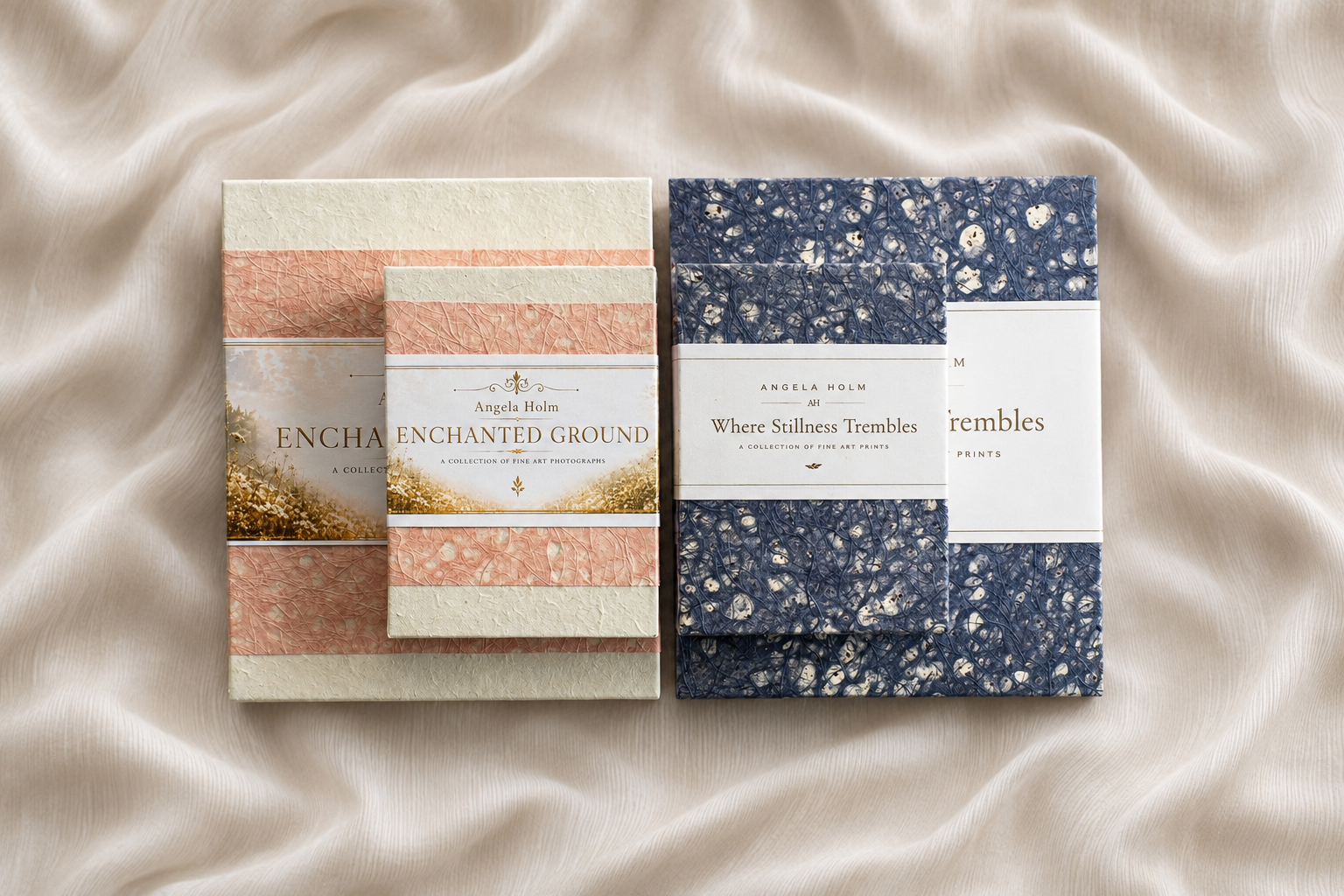
The First Bloom from Enchanted Ground / The First Echo from Where Stillness Trembles
What Remains
An exhibition has its own brief life. The photographs are brought together, conversations unfold around them, and eventually the walls are cleared for something new.
Yet the work continues.
The questions raised during The Way Home remain closely connected to the photographs I make: how a landscape can hold memory, how a change in process can reveal something unexpected, and how images continue to gather meaning long after they are made.
Perhaps home is not always a place we return to. Sometimes it is something we recognize in what remains with us.
The Way Home was presented at the Walters Cultural Arts Center in Hillsboro, Oregon, August 4–September 19, 2026.